
My life’s passion is to shine a light on the incredible stories of our people showcasing resilience, tenacity and innovation especially in surmounting challenges in the area of community economic development. My work often highlights success stories and explores the intersection of Indigenous perspectives with broader economic systems.
These stories are for you, for those coming behind and for the rest of Canadians.
- Wanda Wuttunee
Tansi and welcome.

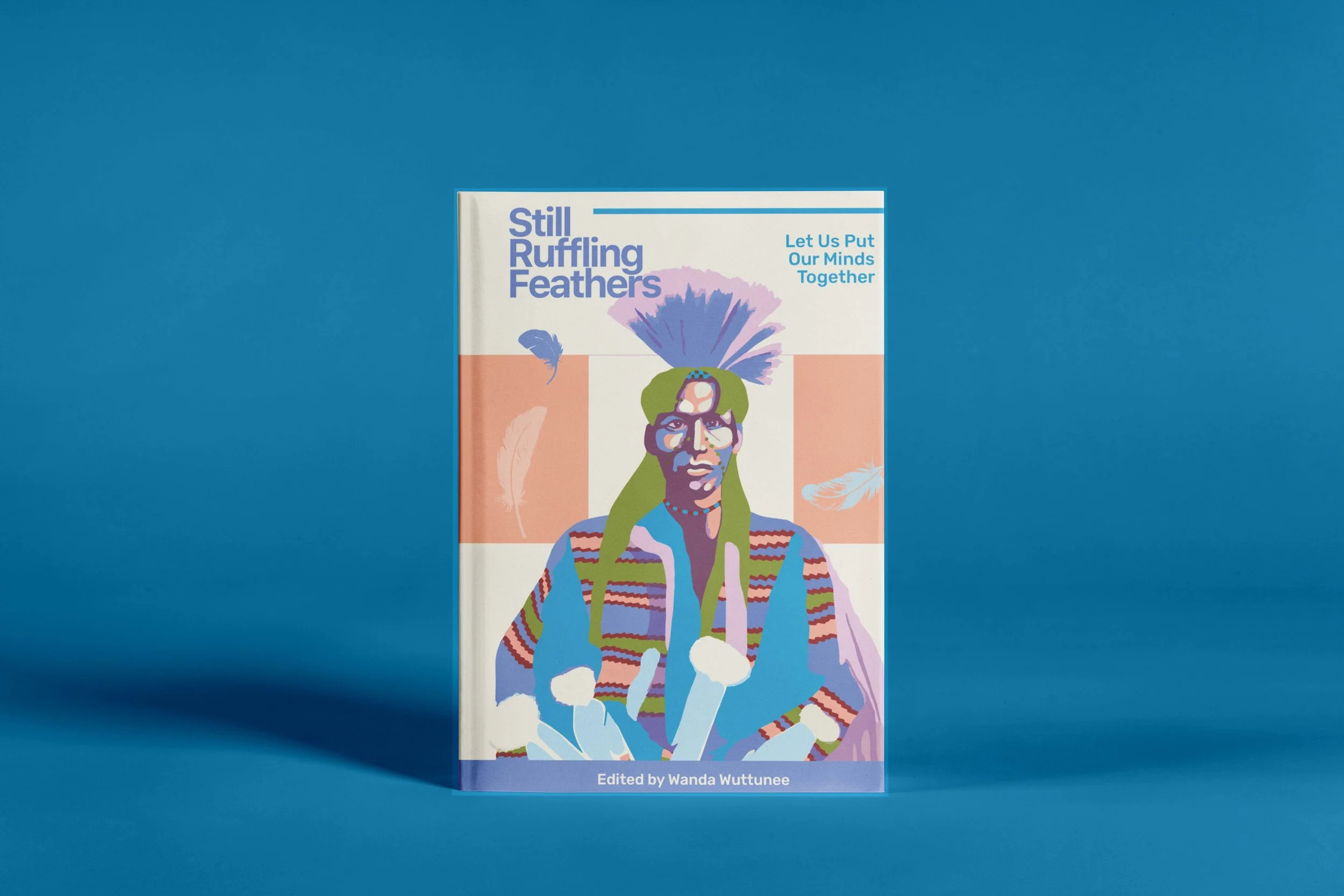
Still Ruffling Feathers:
Let us put our minds together and see what we can do for our children
Edited: by Wanda Wuttunee 2025
Still Ruffling Feathers explores an important area of modern history on Indigenous leadership.”
– Dr. Brian Caillou, University of Calgary
-
Revisiting the political activism of WIC Wuttunee
William (Bill) Wuttunee was a trailblazing lawyer, a courageous native rights activist; and one of the architects of the process for the Truth and Reconciliation Commission. His 1971 book, Ruffled Feathers: Indians in Canadian Society, decried conditions on reserves and pressed for integration—on Indigenous peoples’ own terms—supporting many of the aims of the Trudeau government’s 1969 “White Paper.” Though controversial at the time, Wuttunee's arguments were rooted in a foundational belief in the strengths of his people and a steadfast rejection of victimhood. In the fifty years that have followed its publication, Ruffled Feathers has been largely forgotten, though ideas that Wuttunee put forth—ending the Indian Act and the reserve system—continue to find space within contemporary Canadian political discourse.
In this volume, editor Wanda Wuttunee gathers a diverse cohort of scholars to engage with her father’s ideas and offer their own perspectives on the opportunities and challenges facing Indigenous peoples in Canada, then and now. Favouring discourse over conclusions, Still Ruffling Feathers leads the reader to a nuanced understanding of the ongoing conversations and unresolved issues stemming from the Indian Act and invites us to envision miyo-pimâtisiwin, “the good life.”
-
Still Ruffling Feathers explores an important area of modern history on Indigenous leadership. The thoughts and ideas expressed by William Wuttunee still have resonance today.
– Dr. Brian Caillou, University of Calgary
“It has been 50 years since Ruffled Feathers by William Wuttunee came out, and some of the positions it advances are more relevant than ever. There is a small, but vocal, cohort of academics that continue to advance Wuttunee’s prescription for Indigenous advancement, in the form of ending the Indian Act and the reserve system to allow private ownership of property and that see the focus on treaties, rights and nationhood as barriers to economic and social advancement. These sentiments are also advanced by some politicians and political parties on the right as well, and have thus entered popular discourse in Canada. This manuscript will no doubt contribute to these discussions and will inspire some to revisit Ruffled Feathers for insights as these discussions continue to unfold in the country.”
– Dr. Kelly Saunders, Chair - Political Studies, Brandon University -
Wanda Wuttunee is Professor Emerita at the University of Manitoba, where she was Director of Aboriginal Business Education Partners at The Asper School of Business. She is Editor-in-Chief of the Journal of Aboriginal Economic Development.
-
Prologue: Excerpt from Ruffled Feathers (1971) by William I.C. Wuttunee
Acknowledgements
Contributors
Introduction by Wakchan (Wanda Wuttunee), Red Pheasant Cree Nation, Saskatchewan
Chapter 1. Reflections on a Legacy--An Eagle Eye Perspective by Wakchan (Wanda Wuttunee), Red Pheasant Cree Nation, Saskatchewan
Chapter 2. Still Ruffling Feathers Too--More than 50 Years Later by Makookins (Xakiji (Chief) Lee Crowchild), Tsuut'ina Nation, Alberta
Chapter 3. William Wuttunee--Ruffling Feathers in "Indian" Time and Space by Thohahoken (Michael Doxtater), Mohawk Turtle Clan Family of Satekariwate, Ontario
Chapter 4. Learning to Straighten Our Ruffled Feathers: An Education by Askîy Pihêsiw (Robert Falcon Ouelette), Red Pheasant Cree Nation, Saskatchewan
Chapter 5. Ruffled Feathers: A Critical Assessment by Bush Doctor (Peter Kulchyski), Bissett, Manitoba
Chapter 6. Final Thoughts--Debating Our Future, Coming to One Mind by David Newhouse, Onandaga, Six Nations of the Grand River, Ontario.
Appendix Discussion Questions
Meet The Team

-
Co-Editor
Dr. Wanda Wuttunee is a Professor Emerita at the University of Manitoba, known for her expertise in Canadian Indigenous economic development. She is a member of the Red Pheasant Cree Nation, Saskatchewan.
Dr. Wuttunee holds a Bachelor of Commerce, a Bachelor of Law, and a Master of Business Administration from Calgary, Alberta, and earned her PhD from the University of Manitoba in 2001. She served as a faculty member in the Native Studies department for over 30 years and was the director of Aboriginal Business Education Partners (IBEP) at the Asper School of Business for 20 years.
Her research focuses on Aboriginal issues, including economic development, community economic development, tradition, gender, social responsibility, and the financing of social enterprise. She explores how Indigenous values interact with capitalist values and the role of culture and tradition in business through social enterprises and co-operatives. She is committed to interdisciplinary and collaborative research and publishes widely on Indigenous and associative organizations, Indigenous women’s community economic development, law and culture, and business communication.
Dr. Wuttunee is past editor-in-chief of the Journal of Aboriginal Economic Development. Her publications include books such as Living Rhythms: Lessons in Aboriginal Economic Resilience and Vision and In Business for Ourselves: Northern Entrepreneurs. She is also co-editor of Engraved on Our Nations: Indigenous Economic Tenacity, which highlights the successes of Indigenous economic activity in Canada.
-
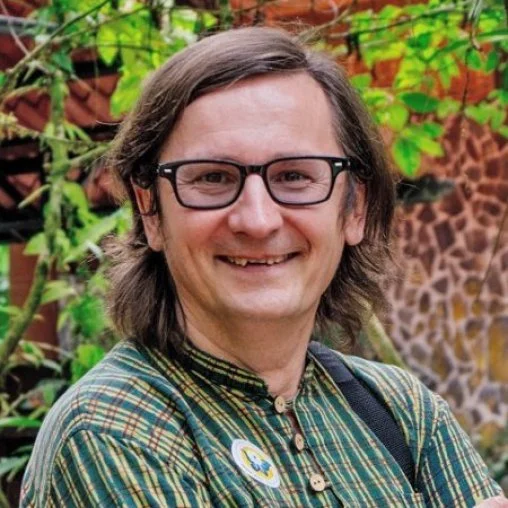
Contributor
Dr. Peter Kulchyski is a distinguished scholar in the field of Native Studies, currently holding a professorship at the University of Manitoba. While not Indigenous himself, he brings a unique perspective shaped by growing up in northern Manitoba and attending a government-run residential high school. This background has informed his extensive and impactful work at the intersection of Indigenous law, politics, culture, and history, with a particular emphasis on northern Canada, including Nunavut, the Northwest Territories, and more recently, hydro-impacted communities in northern Manitoba.
A prolific author, Dr. Kulchyski has written, co-written, or edited numerous books and a wide array of scholarly and popular articles. His notable works include "Like the Sound of a Drum: Aboriginal Cultural Politics in Denendeh and Nunavut," which won the 2005 Alexander Kennedy Isbister Award for Non-Fiction, and "Report of an Inquiry into an Injustice: Begade Shuhtagot'ine and the Sahtu Treaty." His research interests are broad, encompassing Indigenous cultural politics, critical theory, modern treaties, Indigenous rights, northern resource conflicts, and the impacts of hydroelectric development. He is also actively engaged in studying contemporary Inuit cultural history and the Royal Proclamation of 1763.
Beyond his academic contributions, Dr. Kulchyski is recognized as a public intellectual, frequently contributing to discussions on Indigenous issues in various media. He has been awarded the Dr. John M. Bowman Memorial Winnipeg Rh Institute Foundation Award for his outstanding research and is an Honorary Senior Fellow at the Hemispheric Institute of Performance and Politics in the Americas. His dedication to collaboration and community engagement is evident in his ongoing work with hydro-impacted communities in northern Manitoba, which includes leading annual tours to foster dialogue and understanding.
-
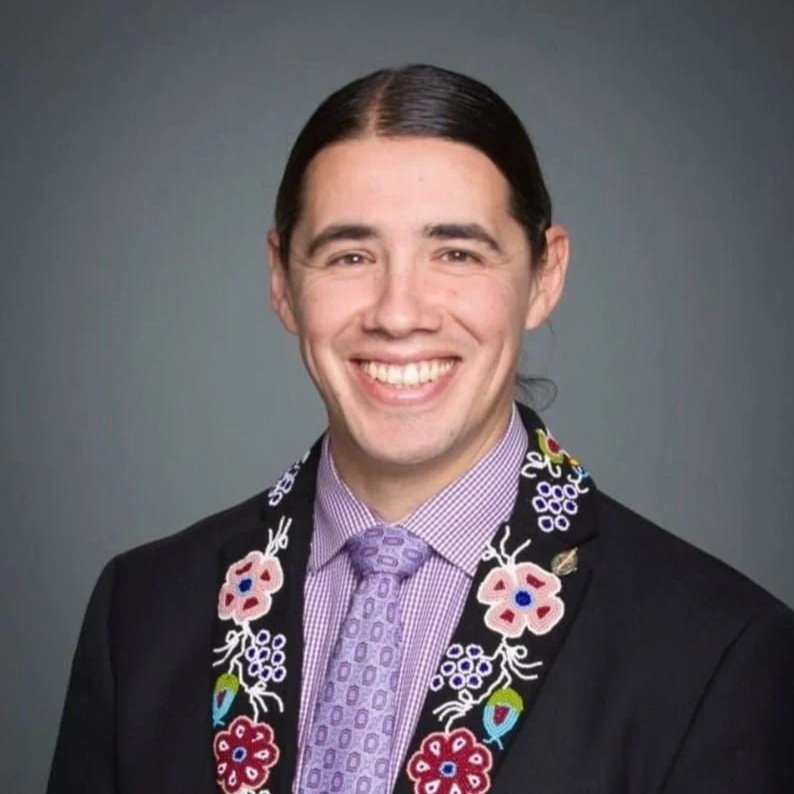
Contributor
Dr. Robert Falcon Ouellette, CD, is a distinguished academic, veteran, and former Member of Parliament, affiliated with the Red Pheasant Cree Nation in Saskatchewan. He is currently an Associate Professor in the Faculty of Education (French Department) at the University of Ottawa, where he also serves as the Director of the French Teacher Education Programs.
With a career spanning over 29 years in the Canadian Armed Forces, Dr. Ouellette has a remarkable record of service. He notably became the first Indigenous Knowledge Keeper in the Canadian Armed Forces in 2025, a role that signifies the military's embrace of Indigenous spirituality and traditional teachings. He is also recognized for being the first Member of Parliament to concurrently serve in the Canadian Forces (reserves) since WWII. His military career included serving as a company commander in the 5th Field Ambulance, and he holds the rank of Warrant Officer in the Royal Winnipeg Rifles (Primary Reserves), having previously retired from the Royal Canadian Navy as a Petty Officer 1st Class.
Dr. Ouellette's academic achievements are extensive, including a Ph.D. and two Master's degrees from Laval University, making him only the second Indigenous person in 350 years to earn a Ph.D. from that institution. He also holds a Bachelor of Arts in Music from the University of Calgary. His research interests encompass Indigenous education, military ethics, political science, Indigenous spirituality, and the preservation of Indigenous languages. He was instrumental in establishing the Yellowquill University College, the only Indigenous post-secondary institution in Manitoba.
Beyond his academic and military contributions, Dr. Ouellette has a significant background in Canadian politics. He represented the riding of Winnipeg Centre in the House of Commons of Canada from 2015 to 2019. During his time as an MP, he made notable advancements in Indigenous rights, including advocating for changes in child and family services and Indigenous language legislation. He also successfully sought unanimous consent to allow for the full inclusion and interpretation of Indigenous languages in the Standing Orders of the House of Commons. He served as the Chair of the Indigenous Caucus and was the first First Nations person to serve on the House of Commons Standing Committee of Finance. He is known for voting according to his constituents' wishes, often voting against his own party on matters of conscience, such as the euthanasia bill C-14.
Dr. Ouellette is a dedicated community organizer and anthropologist, and a regular columnist for Espaces Autochtones on Radio-Canada. He speaks four languages and is actively involved in promoting reconciliation and understanding between Indigenous Peoples and the broader Canadian society. He has also twice run for Mayor of Winnipeg.
-
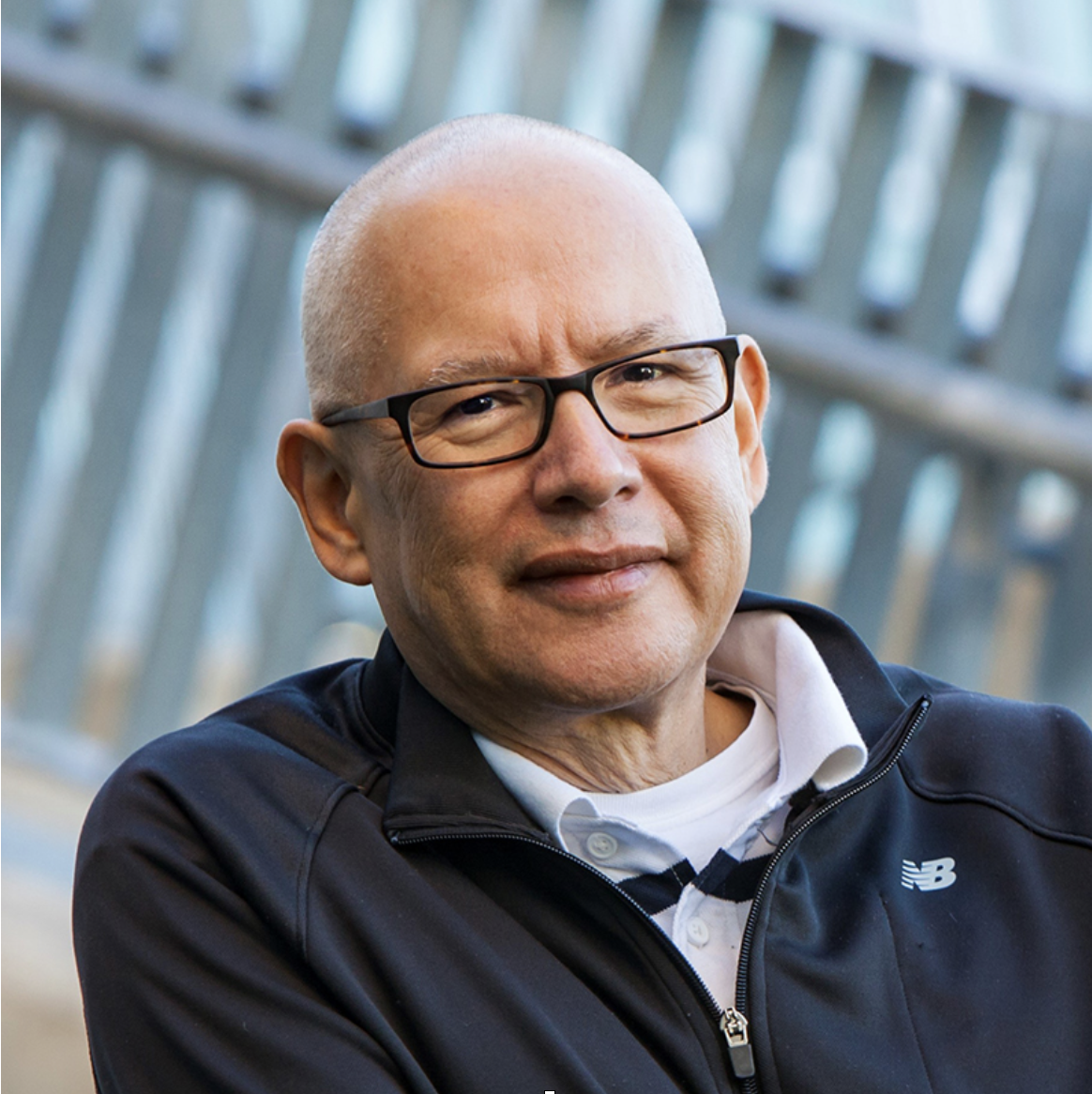
Contributor
David Newhouse is Onondaga from the Six Nations of the Grand River community near Brantford, Ontario. He is a Professor of Indigenous Studies and Chair of the Chanie Wenjack School for Indigenous Studies at Trent University, where he also holds a professorship in the School of Business. He was Chair of the Department of Indigenous Studies, now the Chanie Wenjack School for Indigenous Studies, since 1993.
Professor Newhouse was the first Principal of the new Peter Gzowski College at Trent University and is Co-Chair of the Trent Aboriginal Education Council. He was also the IMC/U of S Aboriginal Scholar in Residence at the University of Saskatchewan in 1998/99 and teaches in the Graduate Community Economic Development (CED) Program at Concordia University.
His research focuses on the emergence of modern Indigenous society, exploring how traditional Indigenous thought and Western thought interact to shape contemporary Indigenous communities and their ideas about the future. He is the founding editor of the CANDO Journal of Aboriginal Economic Development, the first peer-reviewed academic journal devoted to Aboriginal economic development issues, and a founding editorial board member of aboriginal policy studies, a journal focusing on urban Indigenous issues.
He has served as a member of the Policy Team on Economics for the Royal Commission on Aboriginal Peoples, and is a member of the National Aboriginal Benchmarking Committee of the National Aboriginal Economic Development Board. He currently serves as the Science Officer for the Aboriginal Peoples Health research adjudication committee for the Canadian Institutes of Health Research.
In recognition of his work, Professor Newhouse received the Trent Award for Education Leadership and Innovation in 2016, and the Lee Lorch Award from the Canadian Association of University Teachers in 2024 for his commitment to teaching, research, and service. He has also been recognized with a 3M National Teaching Fellowship for teaching innovation in 2022. His work in bringing Indigenous Knowledge into the university was recognized with the Trent Eminent Service Award. He has been an active member of the Executive Committee of the Trent University Faculty Association, serving as President for three years.

-
Co-Editor
Dr. Thohahoken Michael Doxtater is a distinguished Mohawk scholar and a leading figure in Indigenous creative practice, currently serving as an Associate Professor and Head of Saagajiwe Indigenous Studios within The Creative School at Toronto Metropolitan University. He is a descendent of the prominent Mohawk leader Joseph Brant and hails from the Mohawk turtle-clan family of Satekariwate, located in the Six Nations of the Grand River territory.
Dr. Doxtater brings a wealth of experience in the public and private communications industry. He is an internationally published author, and an award-winning producer, director, and writer of documentaries and dramas for both academic and public audiences in Canada and the United States. Notably, he was Head of Studio One at the National Film Board of Canada (NFB) in 1995, where he played a key role in transitioning the NFB into the digital age. He was also part of the producing team for the Gemini Award-winning film "Where the Spirit Lives," which significantly raised public awareness of Indian Residential Schools in Canada and ultimately contributed to the establishment of the Truth and Reconciliation Commission (TRC). His work in public communications extends to his involvement with the Royal Commission on Aboriginal Peoples (RCAP), Health Canada, Indian Affairs, and the Prime Minister's Office.
His academic background includes a Ph.D. and M.Sc. from Cornell University's College of Agriculture and Life Sciences, and a B.A. in History of Science from McMaster University. Dr. Doxtater specializes in organizational learning, leadership, and IT learning environments. He has taught at various institutions, including Cornell University, McGill University, and Ontario's Indigenous Institutes.
Beyond his academic and media contributions, Dr. Doxtater is deeply committed to community engagement and conflict resolution. He has served as a senior facilitator and advocate for action planning in Indigenous organizations, local governments, and grassroots community groups, and has worked as a professional in mediation and bereavement services within the Indigenous community, including during notable events at Oka, Tutelo Heights, Red Hill Valley, and Eagles Nest.
As the Head of Saagajiwe Indigenous Studios, Dr. Doxtater leads a vibrant interdisciplinary center dedicated to Indigenous research and creation. Saagajiwe, named after the Anishinaabec word for "the emerging light of dawn," aims to facilitate Indigenous creativity, thought, and culture, and directly responds to the Truth and Reconciliation Commission's Calls to Action and the United Nations Declaration on the Rights of Indigenous Peoples by promoting the recovery of Indigenous languages, cultures, and knowledges. Under his leadership, Saagajiwe has launched initiatives such as SIKOSE, the Saagajiwe Indigenous Knowledges Open Source Encyclopedia, a groundbreaking resource for Indigenous culture, history, and language.
-
Contributor
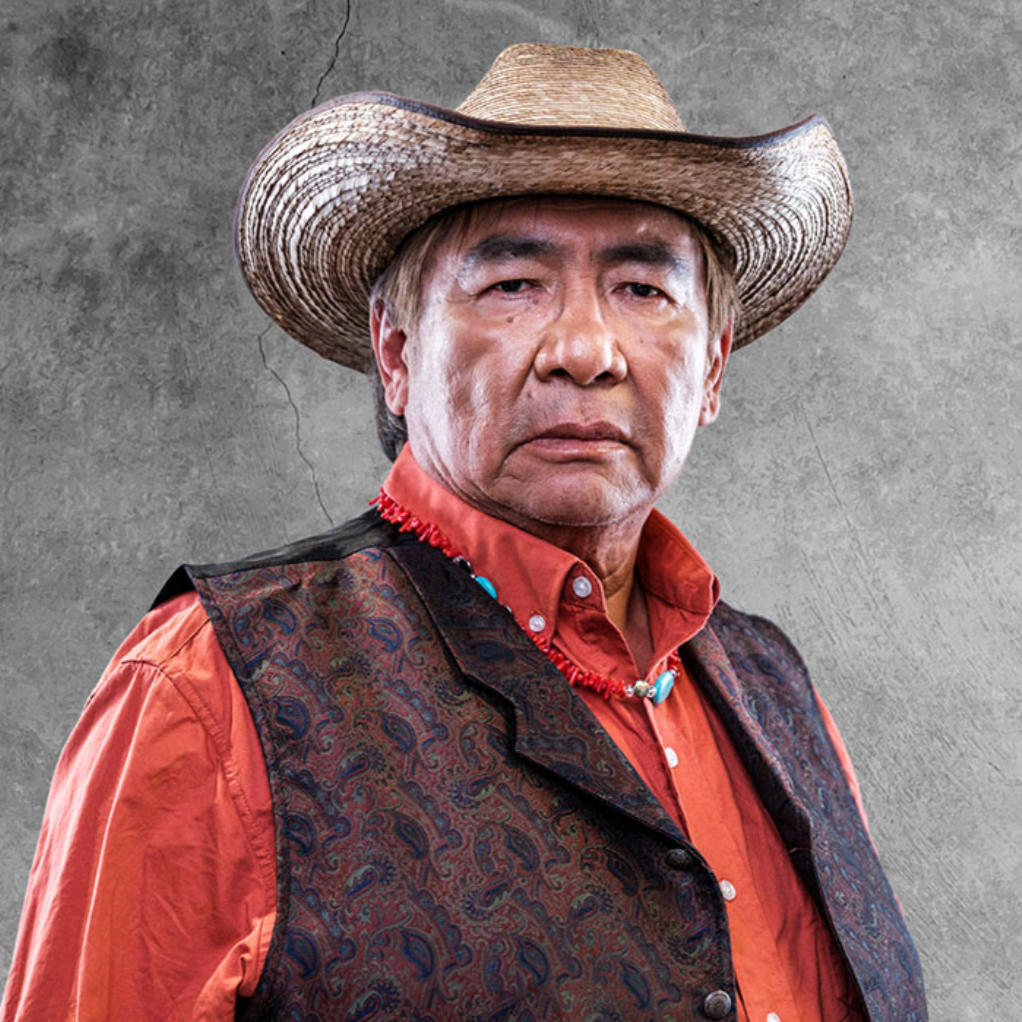
is a prominent figure from the Tsuut'ina Nation in Alberta, Canada, and a third-generation Chief, following in the footsteps of his father, Gordon Crowchild, and grandfather, David Crowchild (for whom Calgary's Crowchild Trail is named).
A lifelong learner of Tsuut'ina's cultural worldview, Crowchild served as the sitting Chief from 2016 to 2019. During his tenure, he diligently worked to build bridges between First Nations and the rest of Canada. He was appointed to the joint fiscal relations committee with ISC by former AFN National Chief Perry Bellegarde, where he advocated for treaty rights as a central focus.
Crowchild is a passionate advocate for the environment and sustainable energy practices, leading efforts to protect the water running through Tsuut'ina lands to Calgary. He successfully brought together the Tsuut'ina Nation, the City of Calgary, local municipalities, and both federal and provincial governments to find solutions for these issues. He also played a key role in establishing a business charter that guided a $4.5 billion development on the border of Tsuut'ina land and Calgary, fostering investment in the Nation.
His educational background includes a B.Sc. in P.E. with a focus on biomechanics and Exercise Physiology from Washington State University, a Dipl. EDST from the University of British Columbia, and a Diploma in Film from The Vancouver Film School. He has held various positions within the Tsuut'ina Nation, including Manager of Infrastructure, Director of Public Works, and Emergency Management. Outside the Nation, he has served on boards such as APTN Board of Directors and as Chairman of the Making Treaty 7 Cultural Society Board of Directors.
Crowchild is also an accomplished athlete, winning the Tom Longboat Award for Athletic Excellence in 1981. He has a deep interest in metaphysics and is known for his commitment to establishing trust and respect among various Nation Chiefs. He is a father of six and as a grandfather takes pleasure in watching his grandchildren grow.
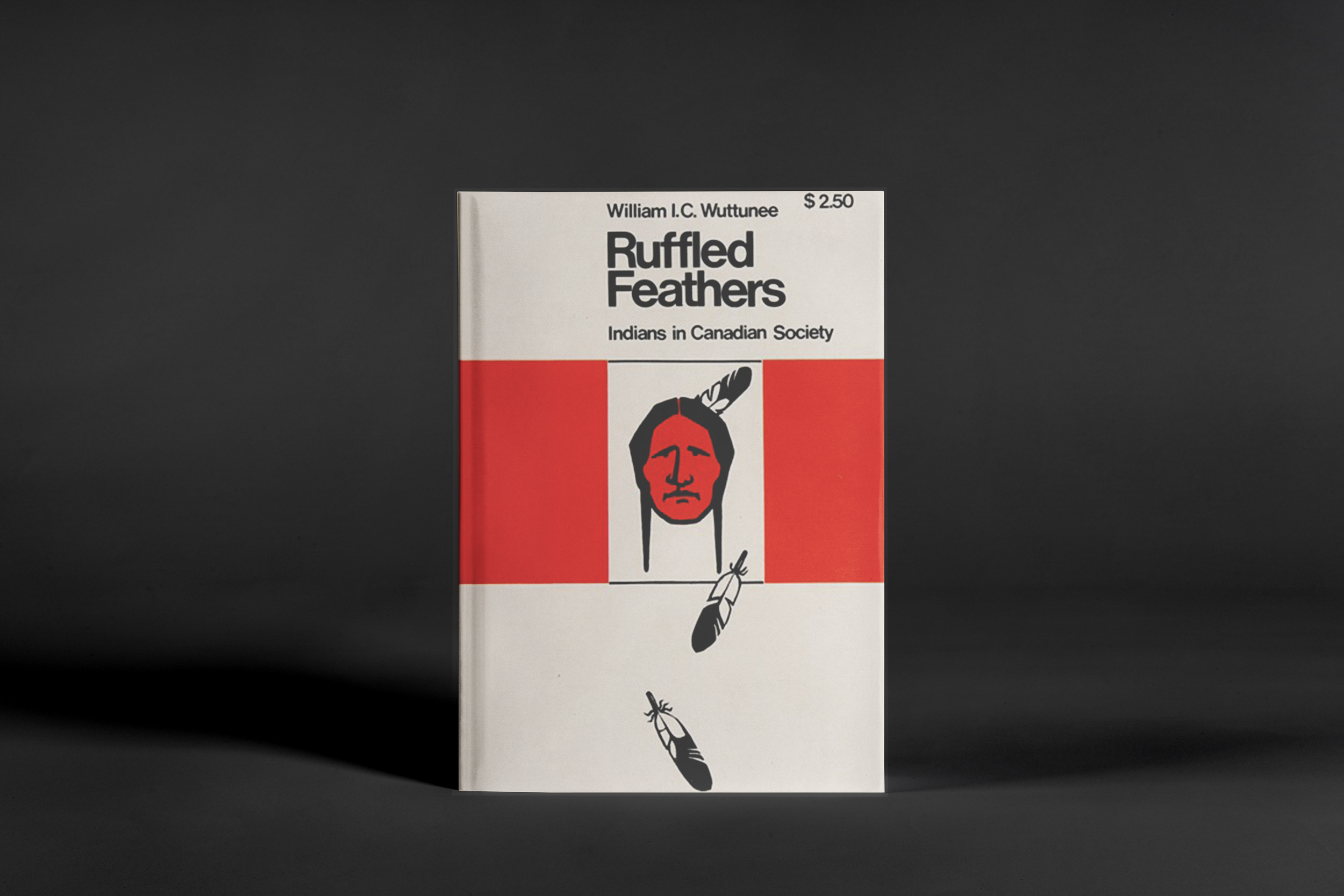
Ruffled Feathers:
Indians in Canadian Society
Edited: by William Wuttunee 1971
“Still Ruffling Feathers manuscript contributes meaningfully to ongoing national discussions and invites a renewed look at Ruffled Feathers.”
– Dr. Kelly Saunders, Chair - Political Studies, Brandon University
About The Author
-
Author
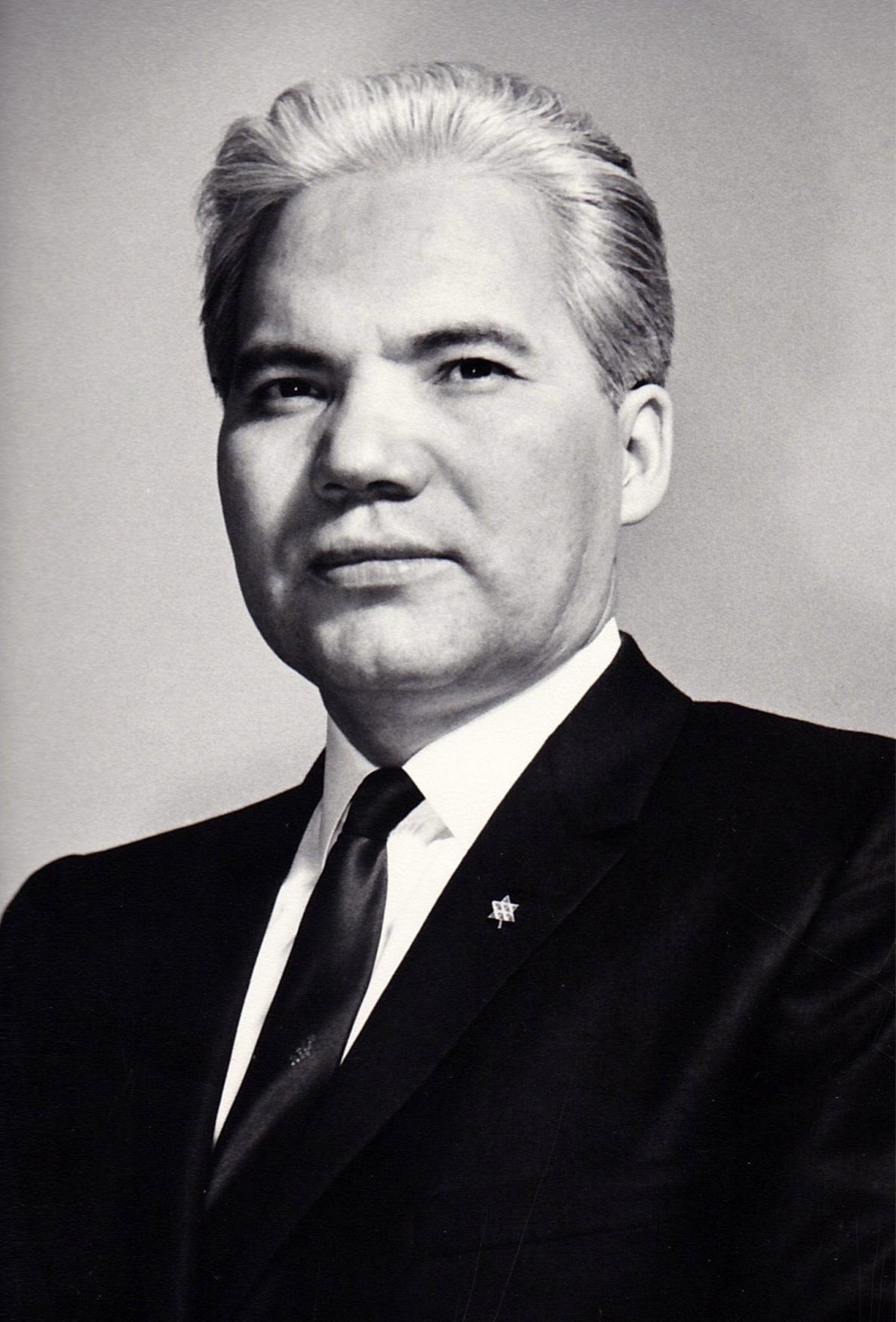
William (Bill) Wuttunee (1929–2015) was a pioneering Cree lawyer, author, and advocate for Indigenous rights in Canada. Born in Red Pheasant First Nation, Saskatchewan, Wuttunee broke barriers as the first Indigenous lawyer called to the Saskatchewan Bar in 1954. Throughout his career, he dedicated himself to advancing the rights and recognition of Indigenous peoples across the country.
Wuttunee was a founding figure in Indigenous political organization, serving as the first president of the National Indian Council (a predecessor to today’s Assembly of First Nations). His legal work and public advocacy helped lay the foundation for the modern Indigenous rights movement in Canada.
As an author, he captured his experiences and insights in Ruffled Feathers: Indians in Canadian Society (1971), a candid and influential book that challenged prevailing narratives and called for equality, education, and self-determination for Indigenous peoples.
Bill Wuttunee’s legacy continues to inspire new generations of Indigenous leaders, lawyers, and thinkers committed to justice and reconciliation in Canada.
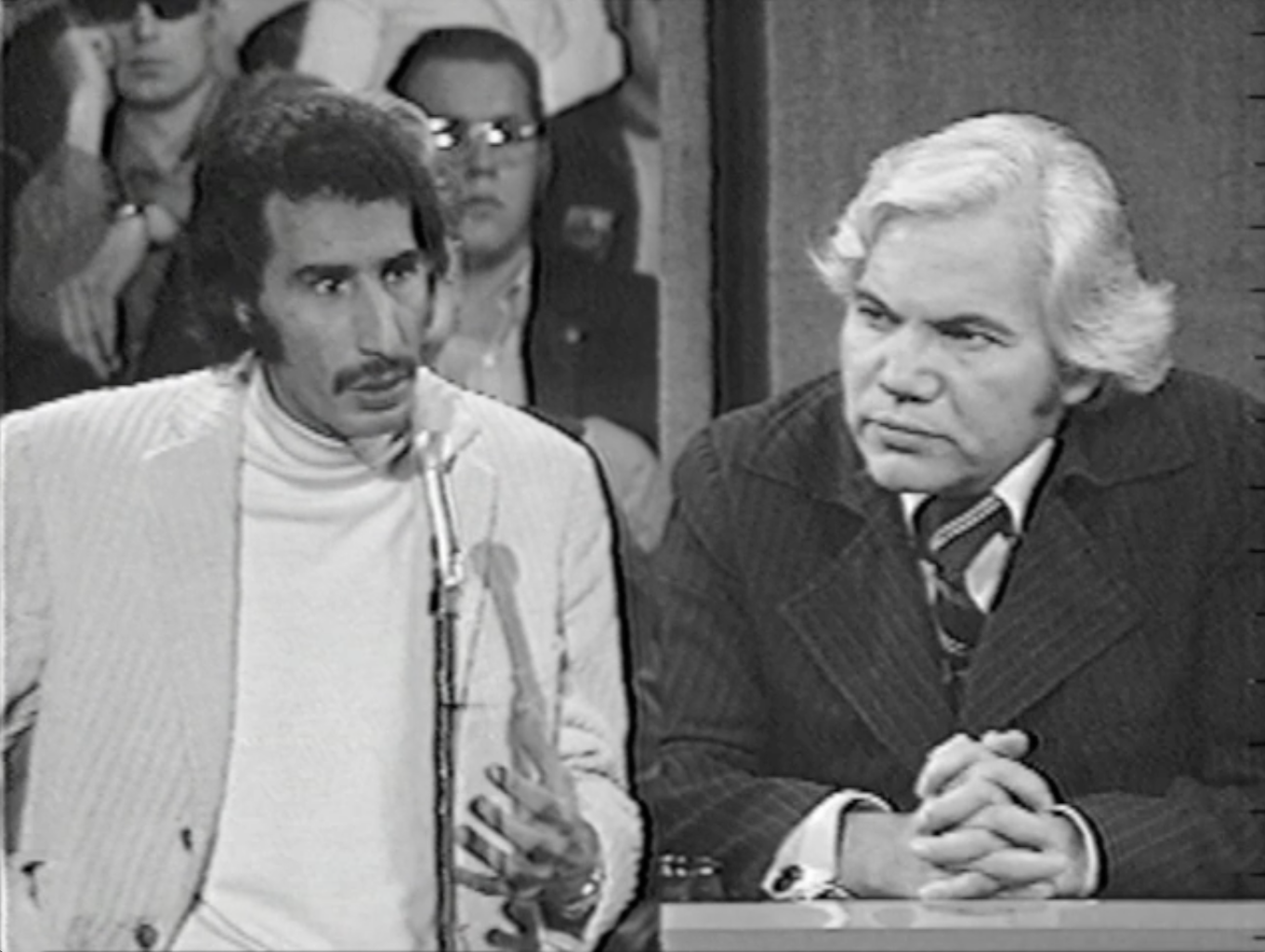
Under Attack Video 1970
Dad appeared on “Under Attack” that was a debate program that ran from 1968 to 1972, with Fred Davis as its moderator. Davis was a prominent Canadian broadcaster, famous for hosting “Front Page Challenge.”The goal of “Under Attack” was to present and discuss controversial topics or issues from different perspectives, often involving lively debate among panelists or guests. In October, 1970, a couple of months before the release of Ruffled Feathers, Dad engaged with questions from students at Brock University regarding his strong views of the future of Indians in Canada, very much based on his lived experience.
Engraved on Our Nations:
Indigenous Economic Tenacity Edited by Wanda Wuttunee and Fred Wien 2024
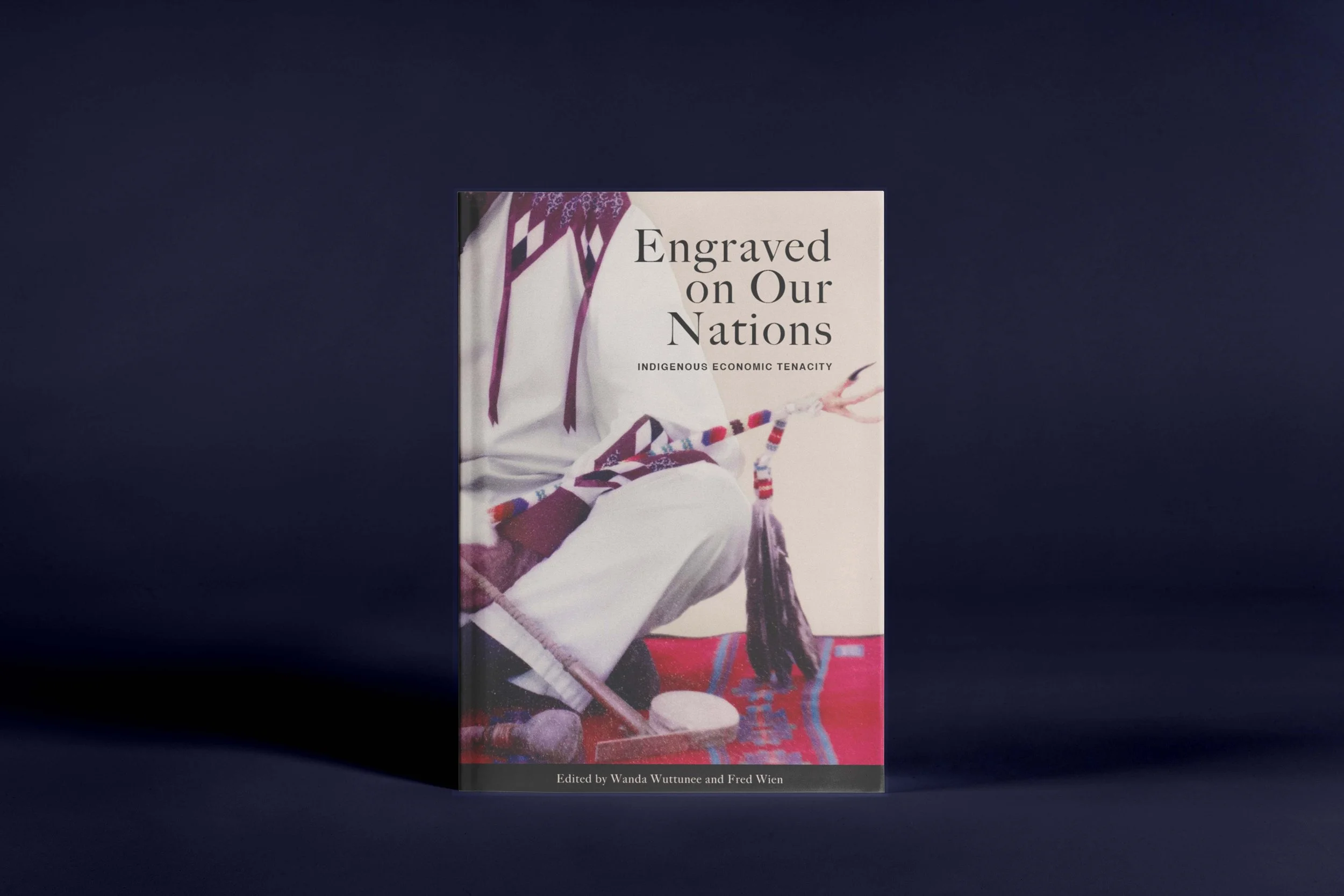
“Engraved on Our Nations clearly articulates the strength, courage, and foresight of Indigenous people. The uplifting stories within this volume will open the eyes of readers and elicit hope, inspiration, and pride.”
– Bob Kayseas, First Nations University of Canada
-
A testimony to Indigenous resilience in business
Despite investments in nation building, self-autonomy, and cultural resurgence, Indigenous economic development has remained an under explored and underestimated area of research. Engraved on Our Nations overturns the discouraging deficit perspective too common in policy and academia and amplifies the largely undocumented history of successful Indigenous economic activity in Canada.
Following David Newhouse’s overview of Indigenous economic history, the authors of this collection illustrate how First Nation and Métis individuals and communities have met and overcome an array of challenges. Case studies focus on First Nations from Membertou (Nova Scotia) to Tahltan (British Columbia) and Indigenous-led enterprises like McDonald Brothers Electric (Northwest Territories) and Neechi Commons (Manitoba). Simultaneously celebrating Indigenous entrepreneurs and exploring concerns around sustainable development, the book also asks: can capitalism be Indigenized?
This first-of-its-kind collection shares stories not only of entrepreneurial excellence and persistence but savvy leadership, innovation, and reciprocity. In doing so, Engraved on Our Nations provides hope to Indigenous business leaders, youth, and elected officials working on the front lines to improve economic conditions and achieve “a good life” for their communities.
-
“There are few books that can compare to this. The strengths-based approach used by each author is refreshing and will be of service to First Nations communities and to Indigenous and non-Indigenous scholars in community economic development.”
– Shelley T. Price, Gustavson School of Business, University of Victoria
“Engraved on Our Nations clearly articulates the strength, courage, and foresight of Indigenous people. The uplifting stories within this volume will open the eyes of readers and elicit hope, inspiration, and pride.”
– Bob Kayseas, First Nations University of CanadaFor me, one of the most significant contributions of this collected work is the insight provided into the roles of politics, particularly the pursuit of Indigenous Rights (read as ‘on own terms’) and business. It is so much more complex and richer than ‘keeping the politics out of business’!
A second significant contribution is the discussion across all stories about how to realize development ‘on one’s own terms’, those terms being Indigenous. In this, I found David Newhouse’s work on Red Capitalism and Clifford Alteo’s “Can Capitalism be Indigenized” most fascinating. My question is, instead, ‘Does Indigenous development need to be capitalist?’ If capitalism means heavily individualistic, purely profit-oriented, nature as a ‘resource’, etc., then the answer is a resounding no! And this is because of the tenacious struggle by Indigenous people through politics and business so well illustrated in the stories in this collected work.
Finally, I like the threads intertwining the ideas of cocreation, two-eyed seeing, partnership, reconciliation and sustainability that emerge in various places and circumstances. Real hope for a reconciliation and better future for all.
– Dr. Robert Anderson, Professor Emeritus at the Hill/Levene School of Business, Faculty of Administration, at the University of Regina.
Engraved on Our Nations is a powerful testament to the enduring tenacity of Indigenous communities. This insightful analysis and impassioned advocacy not only deepen understanding of Indigenous cultures, histories, and contemporary struggles, but also empower those at the forefront of change for our communities. It leaves readers enlightened, offering profound insights, and establishes further foundations for future generations to build upon and thrive.
– Dr. Chloe Price Administrative Studies Department Chair, Nicola Valley Institute of Technology, BC -
Wanda Wuttunee is Professor Emerita at the University of Manitoba, where she was Director of Aboriginal Business Education Partners at The Asper School of Business. She is Editor-in-Chief of the Journal of Aboriginal Economic Development.
Fred Wien was Director of the Maritime School of Social Work at Dalhousie University where he currently holds a professor emeritus appointment. He also served as Deputy Director of Research at the Royal Commission of Aboriginal Peoples, 1992-96. He was awarded the Order of Canada in 2015.
-
P. Jerry Asp, Clifford Gordon Atleo, Charlotte Bezamat- Mantes, Mary Beth Doucette, Isobel M. Findlay, Christopher Googoo, Catherine Martin, Daniel M. Millette, David Newhouse, Judith Sayers
-
Preface: Exploring Indigenous Economic Tenacity in Canada – Wanda Wuttunee and Fred Wien
Introduction: Indigenous Economic History as the History of Tenacity – David Newhouse
Part One: Strategic Leadership
1. How Does First Nation Social and Economic Development Contribute to the Surrounding Region? A Case Study of Membertou – Mary Beth Doucette and Fred Wien
2. Incremental Planning: The Tsawwassen First Nation Experience – Daniel M. Millette
3. Fulfilling Treaty Promises: Treaty Land Entitlement and Urban Reserves in Saskatchewan – Charlotte Bezamat-Mantes
Part Two: Culturally on Point
4. Trading on Tradition: Innovative Indigenous Enterprise – Isobel M. Findlay
5. Capitalism: Can It Be Indigenized? – Clifford Gordon Atleo
6. Challenges and Opportunities for BC First Nations’ Economic Self- Determination – J. Sayers
Part Three: Family Connections
7. Honouring Entrepreneurial Resilience: Atlantic Region Lifetime Achievers – Chris Googoo, Catherine Martin, and Fred Wien
8. A Métis Light in the Northern Darkness—Case Study – Wanda Wuttunee
9. Neechi Commons Case Study: A Lost Love Letter to Winnipeg – Wanda Wuttunee
Part Four: Partnering for Success
10. Tahltan Economic Tenacity—From Affluence to Poverty to Affluence Jerry Asp
11. Stronger Together: First Nation Community/Municipality Collaborations – Wanda Wuttunee
Conclusion: What Did We Learn About Indigenous Tenacity? Fred Wien and Wanda Wuttunee
Acknowledgements
Contributors
Index
Meet The Team
-
Co-Editor
Dr. Wanda Wuttunee is a Professor Emerita at the University of Manitoba, known for her expertise in Canadian Indigenous economic development. She is a member of the Red Pheasant Cree Nation, Saskatchewan.
Dr. Wuttunee holds a Bachelor of Commerce, a Bachelor of Law, and a Master of Business Administration from Calgary, Alberta, and earned her PhD from the University of Manitoba in 2001. She served as a faculty member in the Native Studies department for over 30 years and was the director of Aboriginal Business Education Partners (IBEP) at the Asper School of Business for 20 years.
Her research focuses on Aboriginal issues, including economic development, community economic development, tradition, gender, social responsibility, and the financing of social enterprise. She explores how Indigenous values interact with capitalist values and the role of culture and tradition in business through social enterprises and co-operatives. She is committed to interdisciplinary and collaborative research and publishes widely on Indigenous and associative organizations, Indigenous women’s community economic development, law and culture, and business communication.
Dr. Wuttunee is past editor-in-chief of the Journal of Aboriginal Economic Development. Her publications include books such as Living Rhythms: Lessons in Aboriginal Economic Resilience and Vision and In Business for Ourselves: Northern Entrepreneurs. She is also co-editor of Engraved on Our Nations: Indigenous Economic Tenacity, which highlights the successes of Indigenous economic activity in Canada.
-
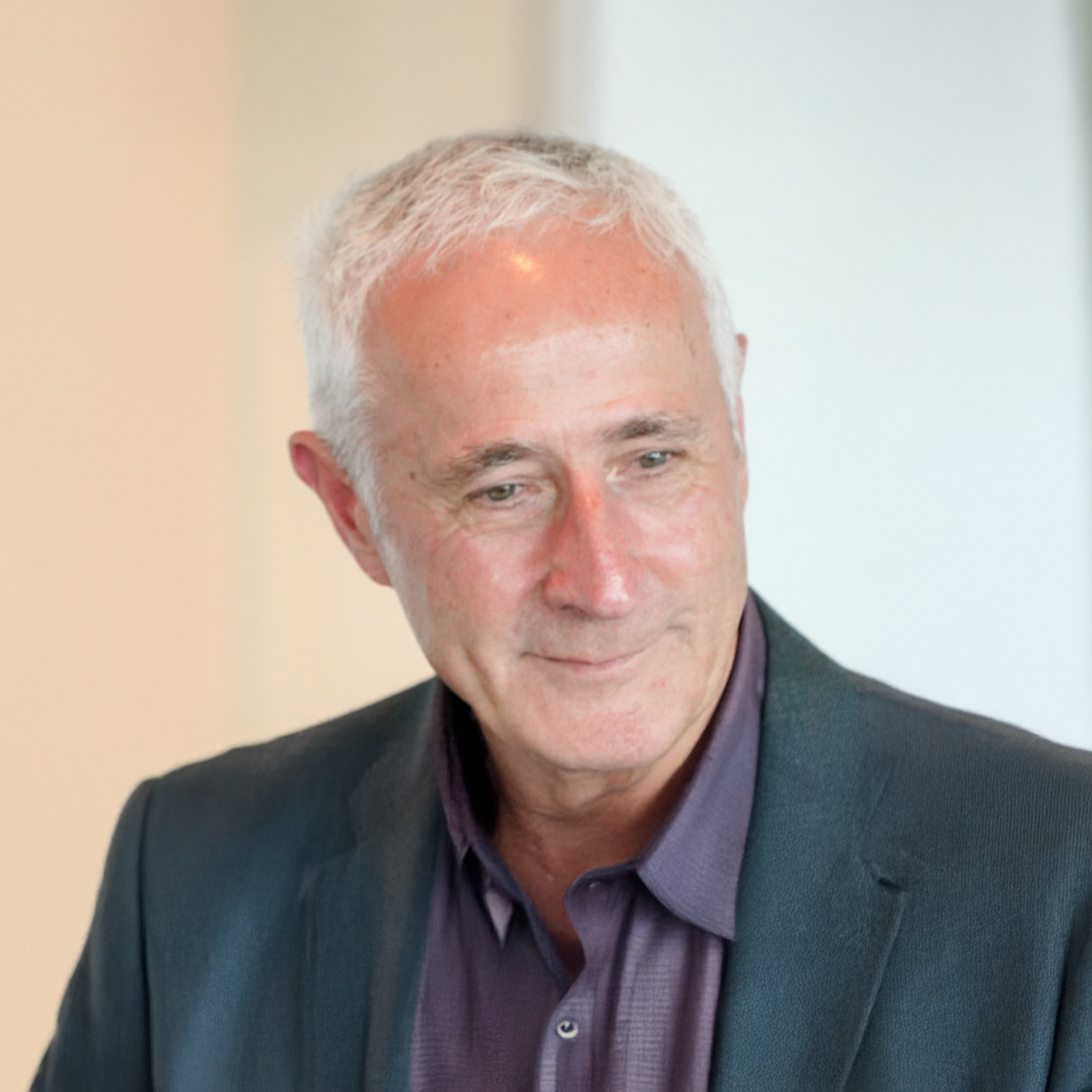
Co-Editor
Dr. Fred C. Wien, Professor Emeritus at Dalhousie University’s School of Social Work, is a highly respected academic renowned for his significant contributions to Indigenous well-being and economic development in Canada. His career, spanning decades, is marked by a deep commitment to collaborative research and policy that directly benefits First Nations communities.
Dr. Wien joined Dalhousie’s Institute of Public Affairs in 1973, leading a research program on low-income work in the Maritimes. He later served as Director of the Maritime School of Social Work.
A pivotal period was his secondment to the Royal Commission on Aboriginal Peoples (1992- 1996) as Deputy Director of Research, where he headed the employment and economic development research program for Indigenous peoples. This experience profoundly shaped his subsequent work.
Returning to Dalhousie in 1996, Dr. Wien continued to focus his research on critical issues for Indigenous communities, including poverty reduction, health, social assistance, and economic development. He was a nominated principal applicant for major grants, including the Atlantic Aboriginal Health Research Program, and projects on poverty reduction and social policy for Mi’kmaq communities. He also co-chairs the Steering Committee for the Atlantic Aboriginal Economic Development Integrated Research Program (AAEDIRP).
Dr. Wien’s influence extends to national committees, including the Make Poverty History Expert Advisory Committee for the Assembly of First Nations and the Advisory Committee on Social Conditions for Statistics Canada. He also chaired the Advisory Board for the Institute of Aboriginal Peoples Health (IAPH/CIHR).
His publications include co-edited works like “Engraved on Our Nations: Indigenous Economic Tenacity,” and “Contested Waters: The Struggle for Rights and Reconciliation in the Atlantic Fishery.” Earlier works focused on the socioeconomic characteristics and economic rebuilding of the Mi’kmaq in Nova Scotia.
In 2015, Dr. Fred Wien was appointed a Member of the Order of Canada, recognizing his championing of capacity building in First Nations communities. The honor cited his collaboration with Indigenous leaders and scholars on evidence-based policies, his research influencing social welfare programs, community-based loans for Indigenous businesses, and poverty reduction initiatives. His work also led to a specialized degree program at Dalhousie for First Nations social workers. Even in retirement, Dr. Wien remains dedicated to responding to research requests from First Nations communities.
-
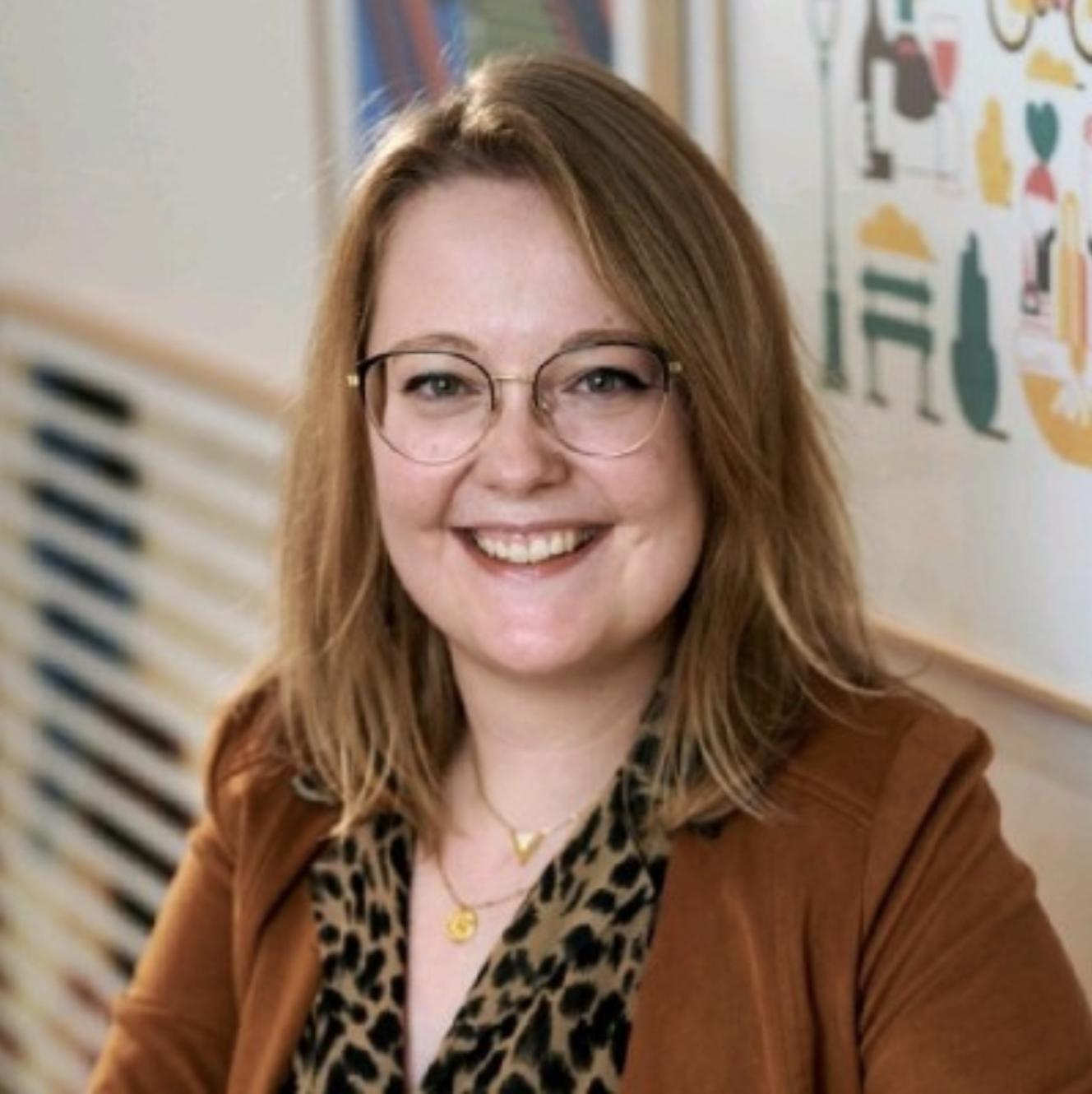
Contributor
Dr. Charlotte Bezamat-Mantes is affiliated with the French Institute of Geopolitics (Institut Français de Géopolitique – Université Paris 8). She was a lecturer there from 2014 to 2019 and also taught at the University of Manitoba in 2017. She holds a Master 1 in Geopolitics from the French Institute of Geopolitics (2013) and a Licence d'Etudes Européennes from Université Paris 3 Sorbonne Nouvelle (2012).
Her research includes topics related to Indigenous economic development and land issues in Canada, particularly focusing on urban reserves and treaty promises. She has contributed to publications such as "Fulfilling Treaty Promises: The Muskeg Lake Cree Nation's Urban Reserve in Saskatoon" in the book Indigenous Economic Tenacity, and "Winnipeg's First Urban Reserve & Long Plain First Nation's Economic Development" in the Journal of Aboriginal Economic Development. She has also explored the geopolitics of the Indian Ocean and has contributed to works on the geopolitics of contemporary globalization.
-
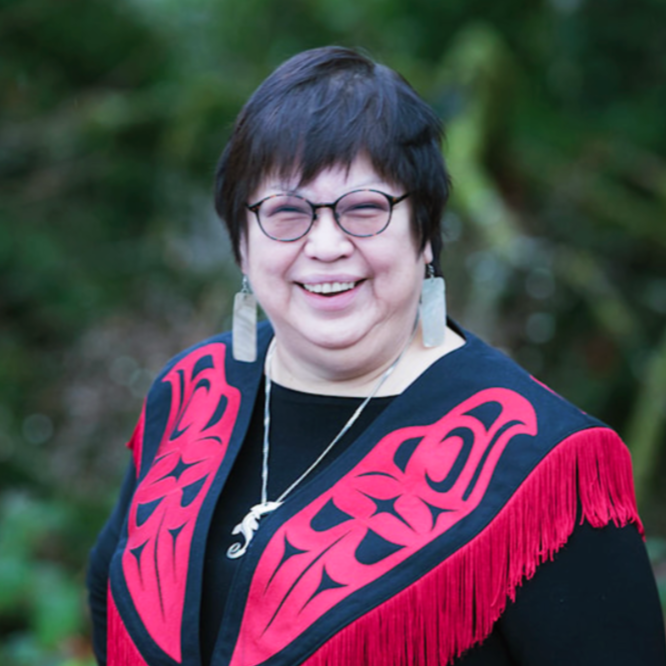
Contributor
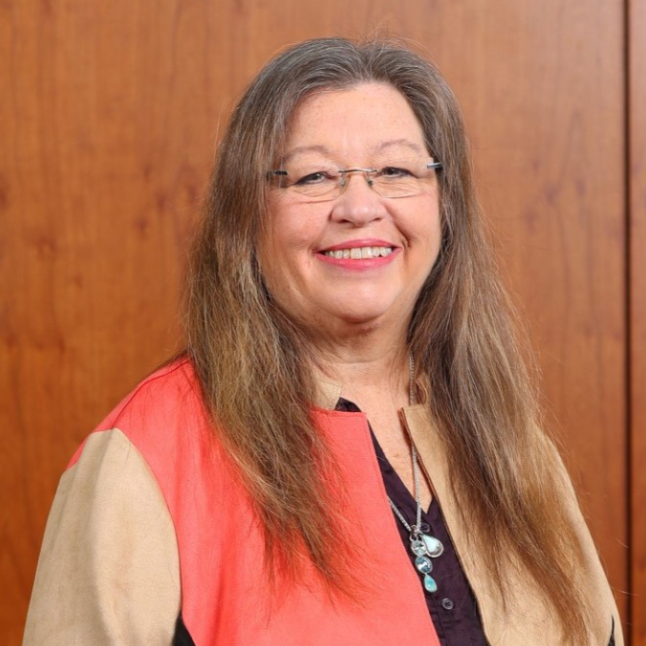
Judith Sayers, also known as Kekinusuqs, is a prominent Indigenous leader and advocate from the Hupacasath First Nation, located in Port Alberni, British Columbia. She is currently the President of the Nuu-chah-nulth Tribal Council and Chancellor of Vancouver Island University.
Dr. Sayers holds a business and law degree, and an honorary Doctor of Laws from Queen's University. She practiced law for 18 years in both Alberta and British Columbia, focusing on First Nations rights and title. She served as Chief of the Hupacasath First Nation for 14 years, during which she was instrumental in developing the 6.5 MW China Creek Run-of-the-River clean energy project, which has been operational since 2005. She was also the Chief Negotiator for Hupacasath for 15 years.
Her expertise lies in Indigenous economic development, clean energy, sustainable development, and First Nations rights. She has been actively involved in the clean energy industry, speaking at many forums and writing opinions on First Nations opportunities and relationship building. She was named to Canada's 2016 Clean50 for her contributions to clean capitalism and received a Lifetime Achievement Award from Clean Energy BC. In 2019, she was appointed to the Order of Canada for her work in clean energy.
Dr. Sayers is also an adjunct professor with the Gustavson School of Business and the School of Environmental Studies at the University of Victoria. She has been inducted into the Canadian Council of Aboriginal Business Hall of Fame and is a recipient of the Bora Laskin Fellowship on Human Rights. She is a sought-after speaker and strategist on advancing reconciliation.
-
Contributor
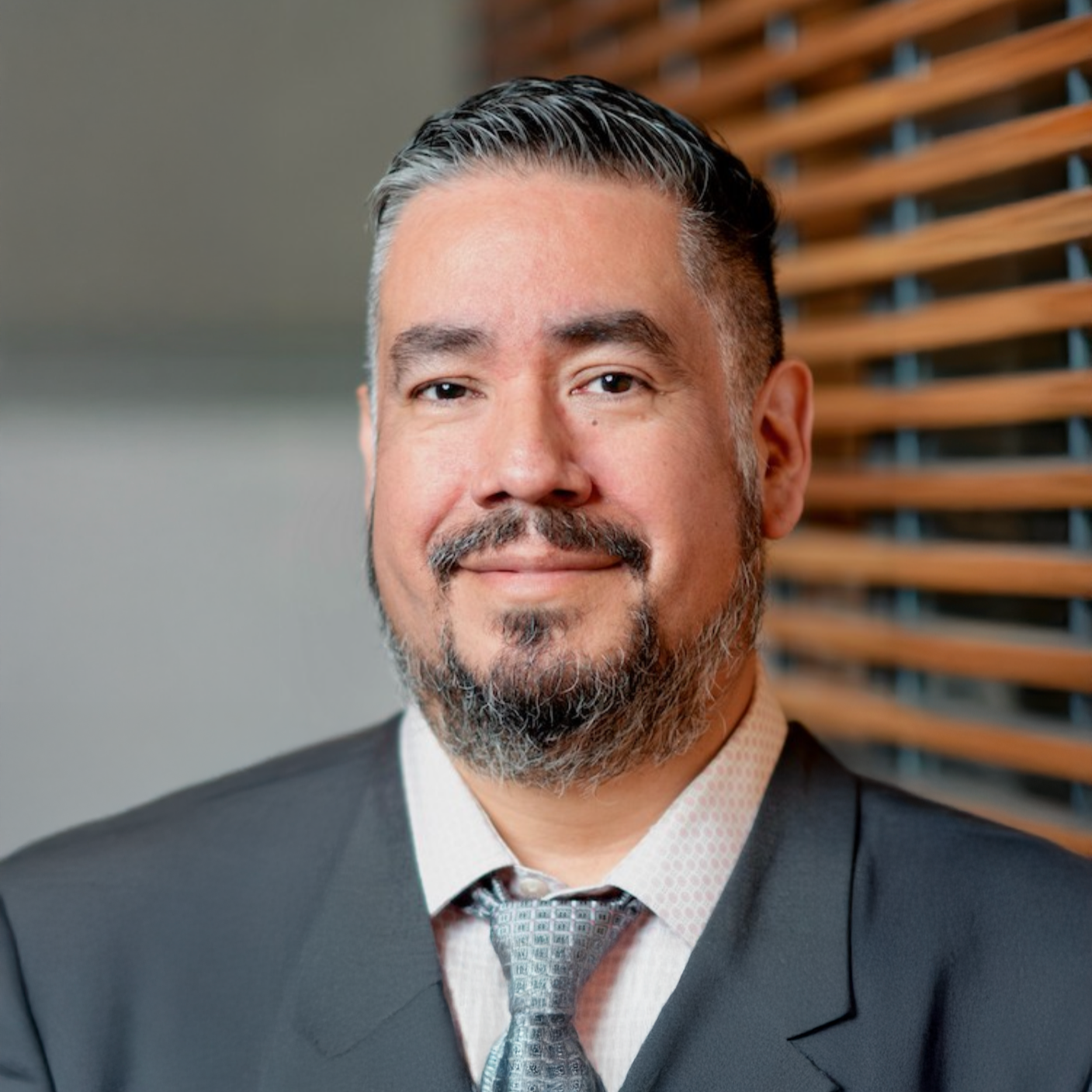
Catherine Martin is a member of the Millbrook Mi'kmaw Community in Truro, Nova Scotia. She is recognized as an independent international award-winning film producer and director, writer, facilitator, communications consultant, community activist, and teacher. She holds the distinction of being the first Mi'kmaw woman filmmaker from the Atlantic region.
Catherine Martin has a Bachelor of Arts in Theatre Arts from Dalhousie University and a Master's in Education/Media Literacy from Mount Saint Vincent University. She also holds a certificate in Conflict, Negotiations and Mediation.
Her work focuses on telling stories of her Nation through film, and she has produced several award-winning documentaries independently and for the National Film Board of Canada. She has been a significant advocate for Indigenous arts, education, and language, contributing to policy and institutional change to make culture and arts more accessible to First Nations artists. She served as a past Chair of the Aboriginal Peoples Television Network (APTN) and was on its board for its first five years.
Catherine Martin's contributions have been recognized with a WAVE Award from Women in Film and Television Atlantic, a National Peace Award, the Senate 150 medal, and the Order of Canada in 2017. She has also contributed to the development of programs to advance the education of Mi'kmaq and Indigenous women and youth. From 2015 to 2019, she was appointed as the 14th Nancy's Chair in Women's Studies at Mount Saint Vincent University. She is currently the first Director of Indigenous Community Relations at Dalhousie University.
-
Contributor
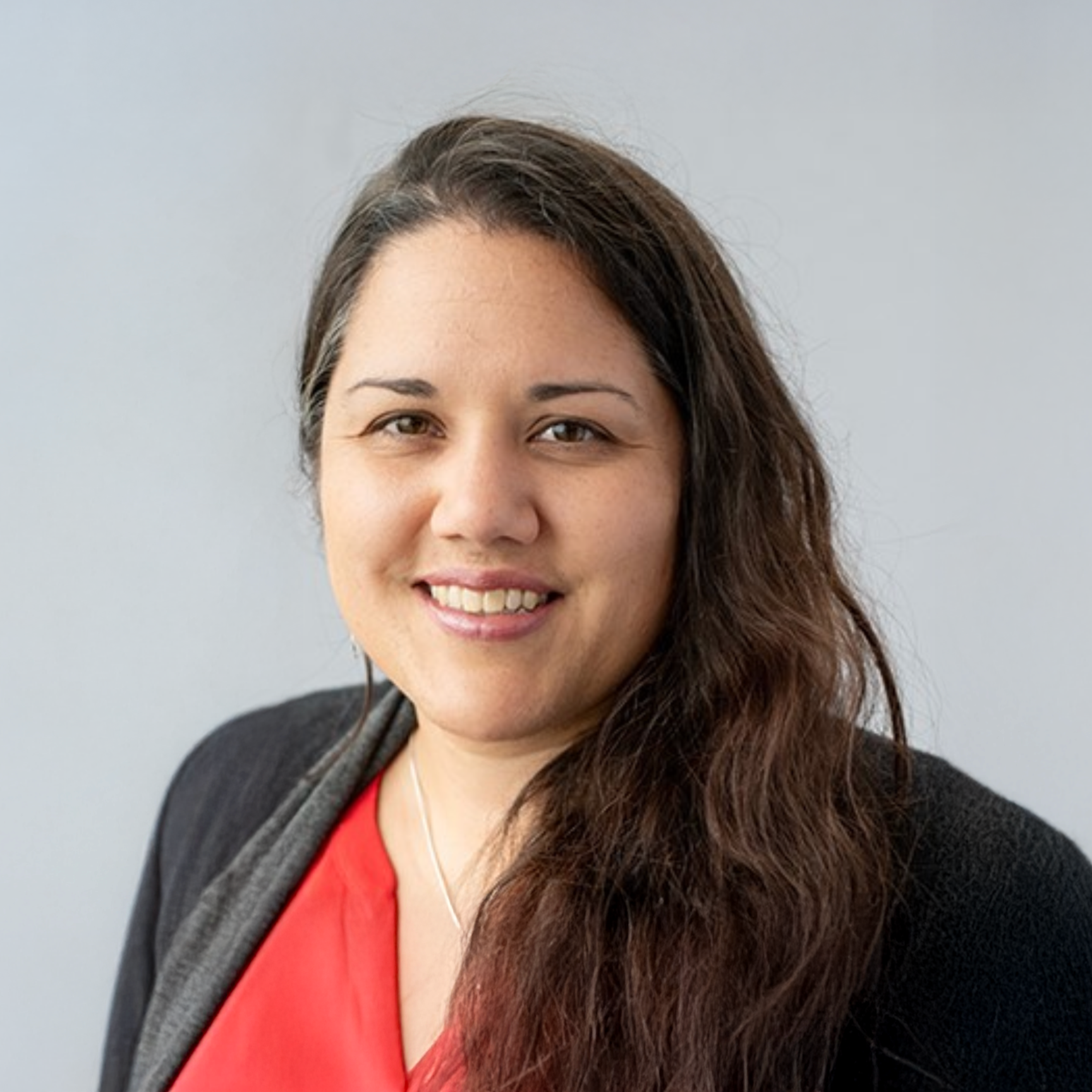
Dr. Clifford Gordon Atleo is an Associate Professor and Graduate Program Chair in the School of Resource and Environmental Management at Simon Fraser University. He is a Tsimshian (Kitsumkalum/Kitselas) and Nuu-chah-nulth (Ahousaht) scholar.
Dr. Atleo holds a Bachelor of Arts in Political Science and a Master of Arts in Indigenous Governance from the University of Victoria. He earned his PhD in Political Science from the University of Alberta.
His research and teaching focus on Indigenous governance, political economy, and resource management. He is particularly interested in how Indigenous communities engage with, adapt to, or resist mainstream capitalism while striving to maintain their distinct cultural identities and worldviews. He explores how Indigenous communities and leaders assert their agency within the contexts of settler colonial politics and economics. His work includes topics such as Indigenous water relations, Indigenous community responses to the Trans Mountain pipeline, and Indigenous economic alternatives to capitalism.
Dr. Atleo has contributed to publications such as "Capitalism: Can it be Indigenized?" in Engraved on our Nations: Indigenous Economic Tenacity. He has also published on Indigenous food system planning, extractive settler colonialism, and the decolonization of planetary health.
-
Contributor
Mary Beth Doucette is an Assistant Professor and the Purdy Crawford Chair in Aboriginal Business Studies at Cape Breton University's Shannon School of Business. She is a Membertou band member.
She holds a Bachelor of Engineering in industrial engineering from Dalhousie University and an MBA in Community Economic Development from Cape Breton University. She is also a doctoral student in management at St. Mary's University.
Her research focuses on the interactions between Mi'kmaw and Canadians, specifically how organizations use policies and procedures to share knowledge in culturally informed ways. Her expertise includes decolonization, reconciliation, business education, and Etuaptmumk/Two-Eyed Seeing.
Mary Beth Doucette co-edited the book Indigenous Business in Canada: Principles and Practices (2016), which explores the impact of history and policy on Aboriginal business and communities. She is also involved in the "A SHARED Future" research project, which aims for reconciliation between different groups and with the environment. She teaches MBA Community Economic Development courses in First Nations Governance and Introduction to Indigenous Business.

-
Contributor
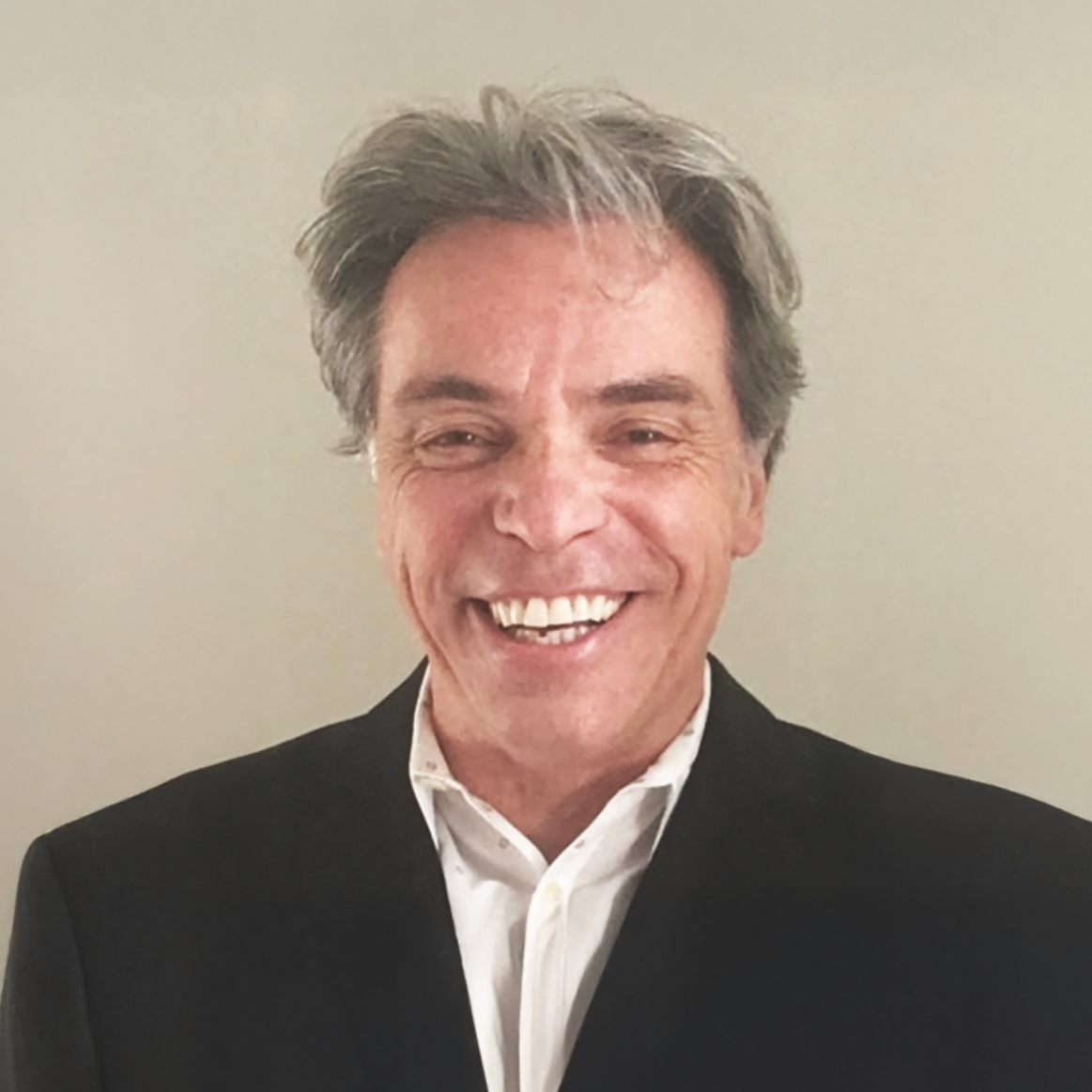
Christopher Googoo is the Chief Operating Officer of Ulnooweg and the Executive Director of The Ulnooweg Indigenous Communities Foundation. A member of the We'koqma'q First Nation, he resides in Millbrook on the unceded territory of Mi'kma'ki.
He has been with Ulnooweg for over 23 years, holding senior leadership roles since 2007. His work focuses on strengthening the relationship between Canada's philanthropic sector and Indigenous communities and supporting the success of Indigenous entrepreneurs, businesses, and communities across Atlantic Canada. His recent projects include the creation and implementation of the national Indigenous Peoples Resilience Fund, the development of Ulnooweg Education Centre's STEAM-based education under the Science and Innovation program, and the acquisition of 200 acres of old-growth forest land, Asitu'l~sk.
Christopher Googoo holds a Bachelor of Business Administration degree from St. Francis Xavier University. He serves on various boards, including the Halifax Chamber of Commerce, the Centre for Local Prosperity, the Rural Communities Foundation of Nova Scotia, and as Chair of Impact Organizations of Nova Scotia. He previously served on the boards of InnovaCorp, the National Aboriginal Capital Corporation Association, and the Atlantic Chamber of Commerce.
-
Contributor
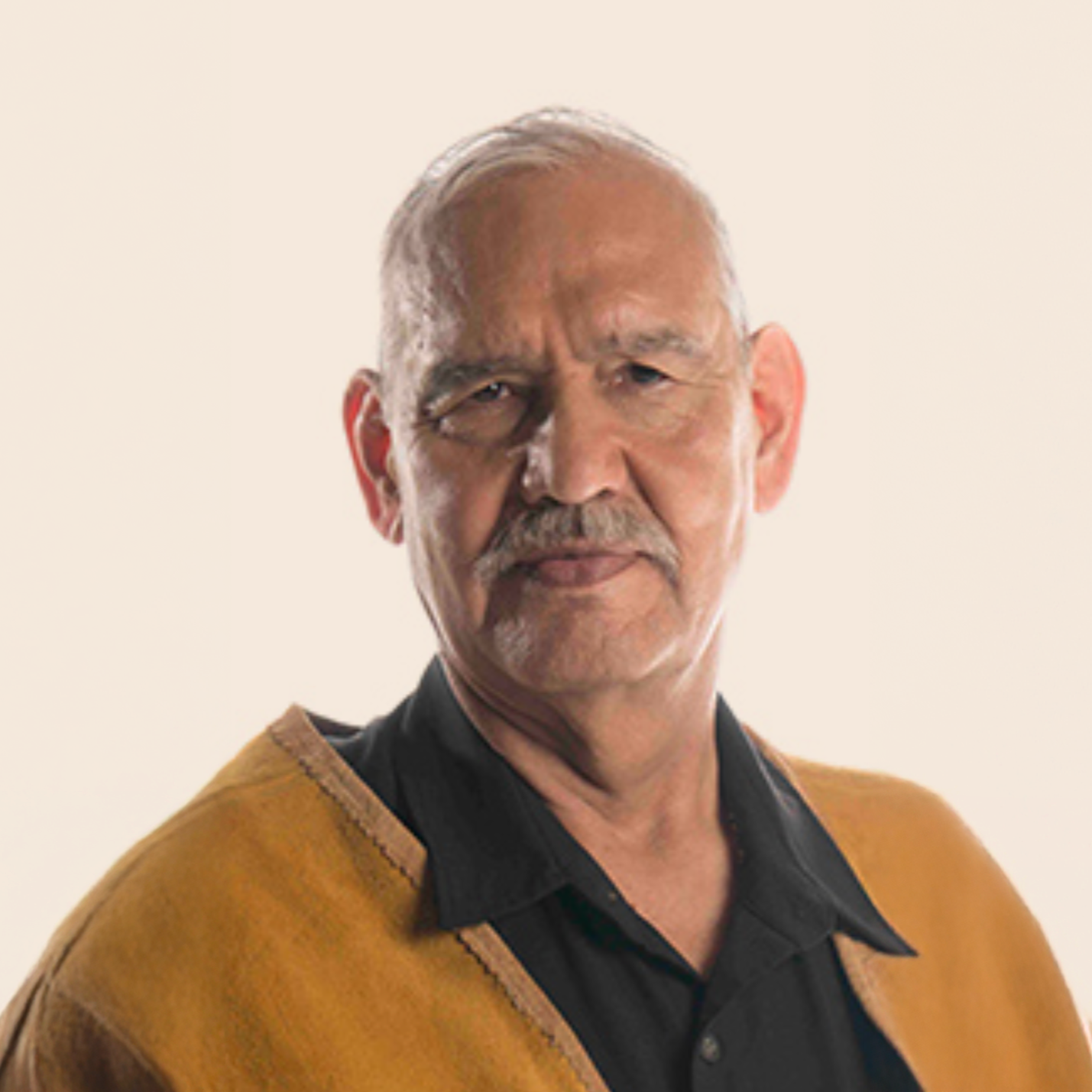
Dr. Daniel M. Millette has approximately 20 years of experience working on Indigenous land matters. He serves as the Director of Strategic Planning and Communications with the First Nation Land Management Resource Centre and is an Adjunct Research Professor in the History and Theory of Architecture program at Carleton University.
He specializes in land use planning, land strategizing, and the interface between land use and economic development, with a focus on empowering individual communities through self-governance over their lands and resources. As a Registered Professional Planner, he has worked across Canada within various legal land frameworks, including Treaty and Framework Agreement on First Nation Lands.
Dr. Millette is also a Registered Professional Archaeologist, maintaining a research program on ancient planning techniques and their contemporary relevance. He has taught Architectural History and Theory, Indigenous Design Studios, and Environmental Design History at the School of Architecture and Landscape Architecture at the University of British Columbia.
He is currently completing a monograph titled "The Indigenous Planning and Architectural Landscape of Canada," which documents successes in planning and architecture within Indigenous communities across the country. He has also co-edited "Ancient Urban Planning in the Mediterranean: New Research Directions" and contributed a chapter, "Incremental Planning: The Tsawwassen First Nation Experience," to the book Engraved on Our Nations: Indigenous Economic Tenacity. His publications also include "Vitruvius, Memory, and the Classical Imagination: De architectura as Mnemonic."
-
Contributor
P. Jerry Asp is a highly respected Indigenous leader from the Tahltan Nation in British Columbia, Canada. He has been a tireless advocate for the inclusion of Indigenous Peoples in the mining industry and is recognized for his significant contributions to economic development and reconciliation.
Asp began his career in the mining industry in 1965, working as an underground miner and driller. In 1985, he founded the Tahltan Nation Development Corporation (TNDC), serving as its General Manager and later President. Under his leadership, TNDC became the largest Native-owned and operated heavy construction company in Western Canada, fostering substantial employment and business opportunities for the Tahltan Nation. He was instrumental in negotiating the first Impact Benefit Agreement in British Columbia with the Golden Bear Mine, a groundbreaking initiative at the time.
Beyond TNDC, Asp co-founded the Canadian Aboriginal Minerals Association (CAMA) and the Global Indigenous Development Trust. Through the Global Indigenous Development Trust, he shares Canadian best practices for building successful partnerships between industry and Indigenous Peoples with communities worldwide.
His achievements have earned him numerous accolades, including induction into the Canadian Mining Hall of Fame in 2020, the Queen Elizabeth II Diamond Jubilee Medal in 2013, and the Indspire Award in Business and Commerce in 2017. Asp is known for his commitment to skills training and apprenticeship programs, and for developing resources such as the Aboriginal Toolkit for Mining, which received international recognition.
-
Contributor
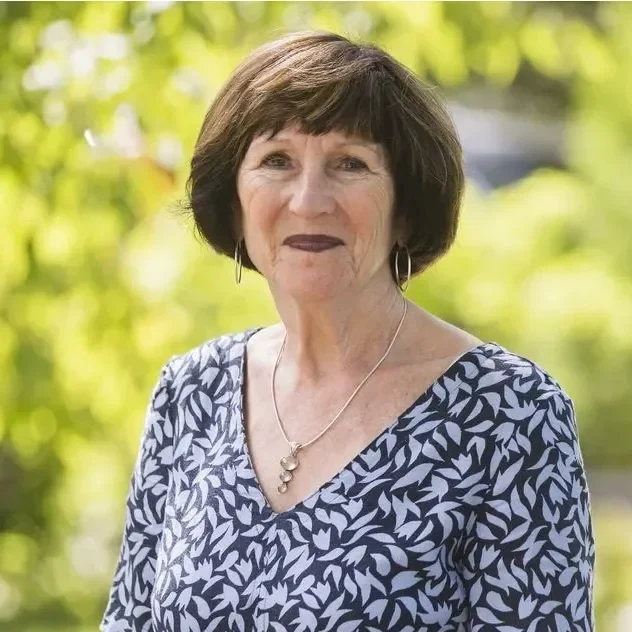
David Newhouse is Onondaga from the Six Nations of the Grand River community near Brantford, Ontario. He is a Professor of Indigenous Studies and Chair of the Chanie Wenjack School for Indigenous Studies at Trent University, where he also holds a professorship in the School of Business. He was Chair of the Department of Indigenous Studies, now the Chanie Wenjack School for Indigenous Studies, since 1993.
Professor Newhouse was the first Principal of the new Peter Gzowski College at Trent University and is Co-Chair of the Trent Aboriginal Education Council. He was also the IMC/U of S Aboriginal Scholar in Residence at the University of Saskatchewan in 1998/99 and teaches in the Graduate Community Economic Development (CED) Program at Concordia University.
His research focuses on the emergence of modern Indigenous society, exploring how traditional Indigenous thought and Western thought interact to shape contemporary Indigenous communities and their ideas about the future. He is the founding editor of the CANDO Journal of Aboriginal Economic Development, the first peer-reviewed academic journal devoted to Aboriginal economic development issues, and a founding editorial board member of aboriginal policy studies, a journal focusing on urban Indigenous issues.
He has served as a member of the Policy Team on Economics for the Royal Commission on Aboriginal Peoples, and is a member of the National Aboriginal Benchmarking Committee of the National Aboriginal Economic Development Board. He currently serves as the Science Officer for the Aboriginal Peoples Health research adjudication committee for the Canadian Institutes of Health Research.
In recognition of his work, Professor Newhouse received the Trent Award for Education Leadership and Innovation in 2016, and the Lee Lorch Award from the Canadian Association of University Teachers in 2024 for his commitment to teaching, research, and service. He has also been recognized with a 3M National Teaching Fellowship for teaching innovation in 2022. His work in bringing Indigenous Knowledge into the university was recognized with the Trent Eminent Service Award. He has been an active member of the Executive Committee of the Trent University Faculty Association, serving as President for three years.
-
Contributor
Dr. Isobel M. Findlay is a Professor Emerita in the Department of Management and Marketing at the Edwards School of Business, University of Saskatchewan. She is also the University Co-Director of the Community-University Institute for Social Research (CUISR) at the University of Saskatchewan.
Dr. Findlay's academic background includes a PhD. Her research interests are broad, encompassing criminal justice, social stratification, the social economy, housing and homelessness, and qualitative social research. She has a particular focus on communications, cultures, and communities; diversity in the workplace; Aboriginal and associative organizations; partnerships and governance; and corporate social responsibility, performance indicators, and reporting standards.
She is committed to interdisciplinary and collaborative research and publishes widely on Aboriginal and associative organizations, Indigenous women's community economic development, law and culture, and business communication. Her work often explores innovation in Aboriginal women's community economic development in Canada.
Dr. Findlay actively works with community groups, non-profits, and the public and private sectors, designing and conducting research to promote and support economic development, community entrepreneurship, and environmental sustainability. She has served on and chaired various boards, run her own business, and facilitated workshops. She is also a recipient of a University of Saskatchewan Students' Union Teaching Excellence Award and a co-winner of the Saskatchewan Book Awards Scholarly Writing Award. She hopes to see decolonizing and Indigenizing efforts that effect real culture change, knowledge democracy, and social and cognitive justice.
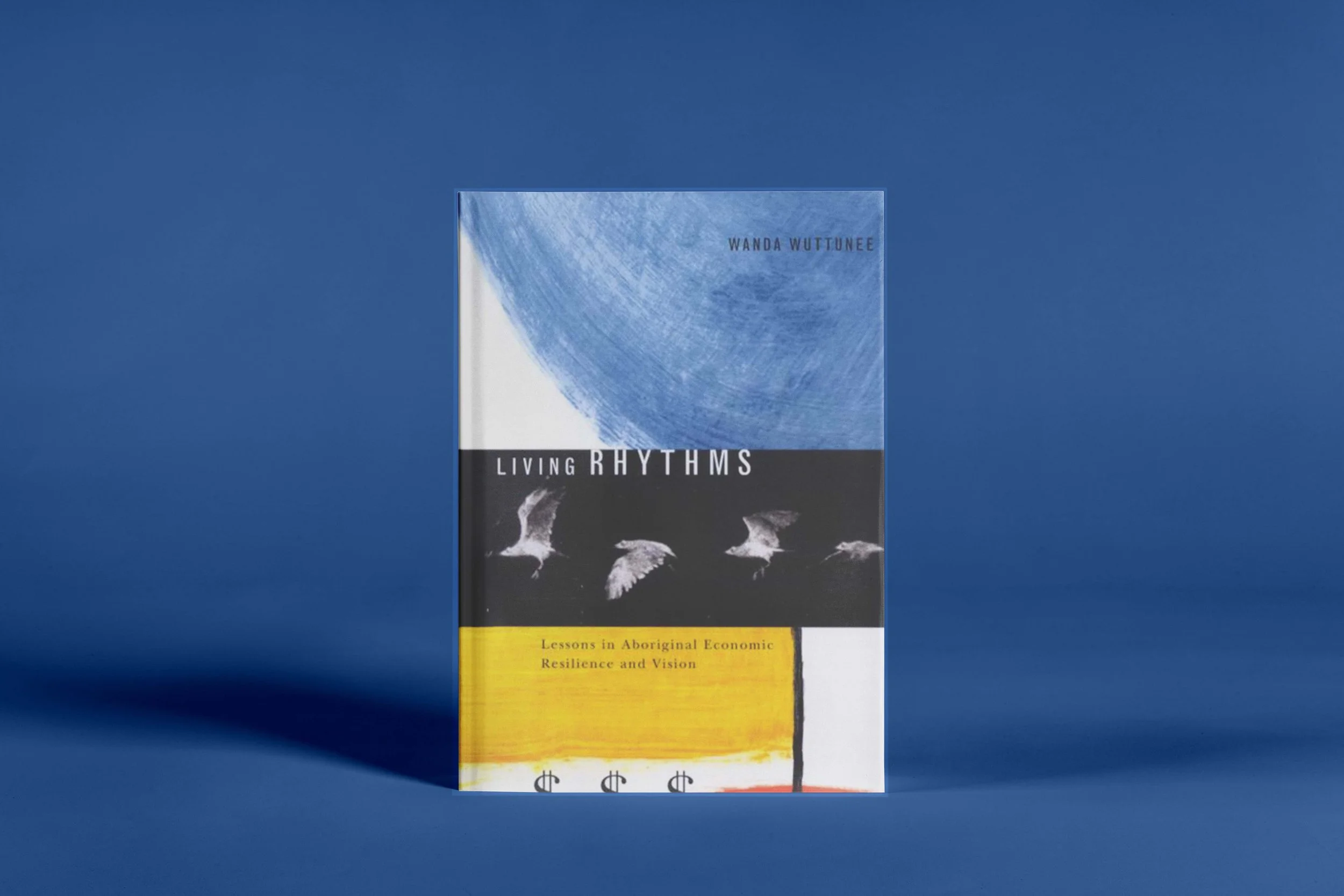
Living Rhythms:
Lessons in Aboriginal economic resilience and vision by Wanda Wuttunee 2004
“This book, without a doubt, makes a significant contribution to its field.”
– Warren Weir, chair, MBA Indigenous Management Specialization, College of Commerce, University of Saskatchewan
-
There are few works on economic development among Canada’s Aboriginal peoples. Living Rhythms offers a current perspective on indigenous economics, planning, business development, sustainable development, and knowledge systems. Using a series of cases studies featuring Aboriginal communities and organizations, Wanda Wuttunee shows that their adaptations to economic and social development are based on indigenous wisdom and experience. She demonstrates that the choices made to meet community and individual goals in Aboriginal economic development, business and entrepreneurship growth are important to a strong Canadian economy. Will Aboriginal communities cherish the environment, elders, and traditions or will maximizing returns on investment be the objective? Are these objectives mutually exclusive? What does it mean to Aboriginal communities to participate meaningfully in the economy? What are the benefits and what are the costs of these choices?
Wuttunee states: “Aboriginal peoples, we may not want to completely mirror mainstream business choices. We may choose to bring emotion, spirit, and caring in addition to strong business skills. We may choose a package of strategies that in the end provides balance in ways that vary across Aboriginal nations but maintains an integrity that is not often seen in the business world.”
-
“This book, without a doubt, makes a significant contribution to its field. The coverage of and research in Aboriginal community economic development is a new endeavour, one which has required exploration backed by informed and thoughtful analysis and discussion. Wuttunee takes a bold advance and attempts to re-interpret the generally accepted economic method with regard to better understanding Aboriginal economic systems, processes, and outcomes. I thoroughly enjoyed this.“
– Warren Weir, chair, MBA Indigenous Management Specialization, College of Commerce, University of Saskatchewan
“This book contains dynamic, analytic stories written with their local citizen teams, and leaders. It reveals aspirations, goals, and strategies, progress, learning and future plans made possible by strong and visionary partnerships.”
– Stephen Amyaw, Community Economic Development Centre, Simon Fraser University & Nicola Valley Institute of Technology, Merrit, B.C. (SFU/NVIT Aboriginal Community Economic Development (CED), Degree Program
About The Author
-
Co-Editor
Dr. Wanda Wuttunee is a Professor Emerita at the University of Manitoba, known for her expertise in Canadian Indigenous economic development. She is a member of the Red Pheasant Cree Nation, Saskatchewan.
Dr. Wuttunee holds a Bachelor of Commerce, a Bachelor of Law, and a Master of Business Administration from Calgary, Alberta, and earned her PhD from the University of Manitoba in 2001. She served as a faculty member in the Native Studies department for over 30 years and was the director of Aboriginal Business Education Partners (IBEP) at the Asper School of Business for 20 years.
Her research focuses on Aboriginal issues, including economic development, community economic development, tradition, gender, social responsibility, and the financing of social enterprise. She explores how Indigenous values interact with capitalist values and the role of culture and tradition in business through social enterprises and co-operatives. She is committed to interdisciplinary and collaborative research and publishes widely on Indigenous and associative organizations, Indigenous women’s community economic development, law and culture, and business communication.
Dr. Wuttunee is past editor-in-chief of the Journal of Aboriginal Economic Development. Her publications include books such as Living Rhythms: Lessons in Aboriginal Economic Resilience and Vision and In Business for Ourselves: Northern Entrepreneurs. She is also co-editor of Engraved on Our Nations: Indigenous Economic Tenacity, which highlights the successes of Indigenous economic activity in Canada.

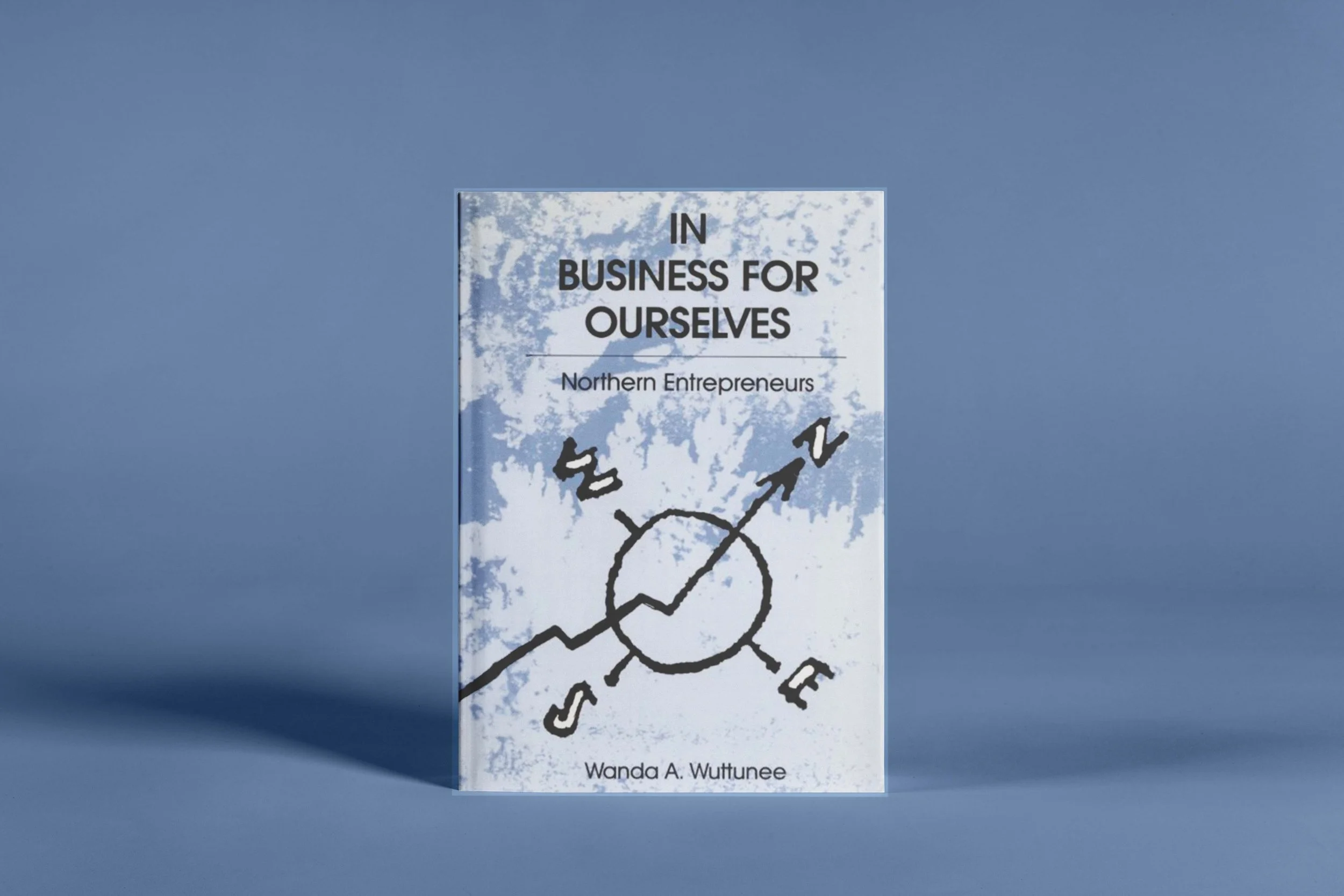
In Business For Ourselves:
Northern Entrepreneurs McGill- Queen’s UniversityPress by Wanda Wuttunee 1992
“Students studying basic business principles in business programs will find good value in this.”
– Lloyd Binder, Economic Development and Tourism, Government of the Northwest Territories
-
In Business for Ourselves is the first book of case studies to focus exclusively on small businesses in the Canadian north. Drawing from her research on a broad range of economic activities, Wanda Wuttunee profiles fifteen businesses operating successfully in northern Alberta, the Yukon, and the Northwest Territories. She provides concrete examples of decisions made in the process of starting a business, highlights the challenges and benefits of being one’s own boss, and explores the impact a new venture may have on personal and family life. For the most part the cases are presented in the words of the entrepreneurs themselves many of them native people. These are personal accounts that complement the technical information available from accountants, bankers, and economic development officers.
Wuttunee believes that the continued growth and development of a dynamic small business sector is vital to Canada’s future economic structure. She has therefore directed her book not only to potential northern entrepreneurs and students interested in the concerns of small businesses in isolated communities but also to those who provide the support services for owners of small businesses.
-
“In Business for Ourselves is well organized, easy to read and offers the essence of the entrepreneurial experience ... it will have a general appeal to readers interested in the North and its residents. The simple language and the basic financial analysis of the firms makes the publication attractive ... Students studying basic business principles in business programs will find good value in this work.”
– Lloyd Binder, Economic Development and Tourism, Government of the Northwest Territories
“The scholarship and methodology used in the book are of high quality and are consistent with books written about entrepreneurs in other parts of North America. The book is organized in such a way that it is easy to follow and to compare the various entrepreneurs by flipping back and forth between the chapters.”
– Heather S. Travers, Faculty of Arts, University of Calgary
About The Author
-
Co-Editor
Dr. Wanda Wuttunee is a Professor Emerita at the University of Manitoba, known for her expertise in Canadian Indigenous economic development. She is a member of the Red Pheasant Cree Nation, Saskatchewan.
Dr. Wuttunee holds a Bachelor of Commerce, a Bachelor of Law, and a Master of Business Administration from Calgary, Alberta, and earned her PhD from the University of Manitoba in 2001. She served as a faculty member in the Native Studies department for over 30 years and was the director of Aboriginal Business Education Partners (IBEP) at the Asper School of Business for 20 years.
Her research focuses on Aboriginal issues, including economic development, community economic development, tradition, gender, social responsibility, and the financing of social enterprise. She explores how Indigenous values interact with capitalist values and the role of culture and tradition in business through social enterprises and co-operatives. She is committed to interdisciplinary and collaborative research and publishes widely on Indigenous and associative organizations, Indigenous women’s community economic development, law and culture, and business communication.
Dr. Wuttunee is past editor-in-chief of the Journal of Aboriginal Economic Development. Her publications include books such as Living Rhythms: Lessons in Aboriginal Economic Resilience and Vision and In Business for Ourselves: Northern Entrepreneurs. She is also co-editor of Engraved on Our Nations: Indigenous Economic Tenacity, which highlights the successes of Indigenous economic activity in Canada.